How to tell the difference in PEC Wine Styles
As a long-time Prince Edward County resident, I’ve watched the local wine scene evolve from a curious experiment into one of Canada’s most respected wine regions. Somewhere along the way, I started hearing winemakers, sommeliers, and wine enthusiasts talk about “County style.”
At first, it sounded a bit mysterious, almost like a secret handshake among wine lovers. So I decided to investigate what that phrase actually means.
The good news? You don’t need a sommelier certification or a collection of fancy wine glasses to understand it.
What Does “Signature Wine Style” Mean?
A wine region’s signature style is simply the set of characteristics that consistently appear in its wines because of the local climate, soil, geography, and winemaking traditions.
Think of it like an accent.
Just as you can often tell where someone is from by the way they speak, experienced wine drinkers can often identify where a wine is from by the way it tastes. Prince Edward County wines speak with a distinct local accent, one heavily influenced by cool temperatures, limestone-rich soils, and the moderating effects of Lake Ontario.
The County’s Secret Ingredient: Limestone

If you’ve toured wineries in Prince Edward County, you’ve probably noticed that winemakers love talking about limestone. A lot!
Sometimes I think they talk about limestone almost as much as locals talk about weather and tourist traffic on a long weekend.
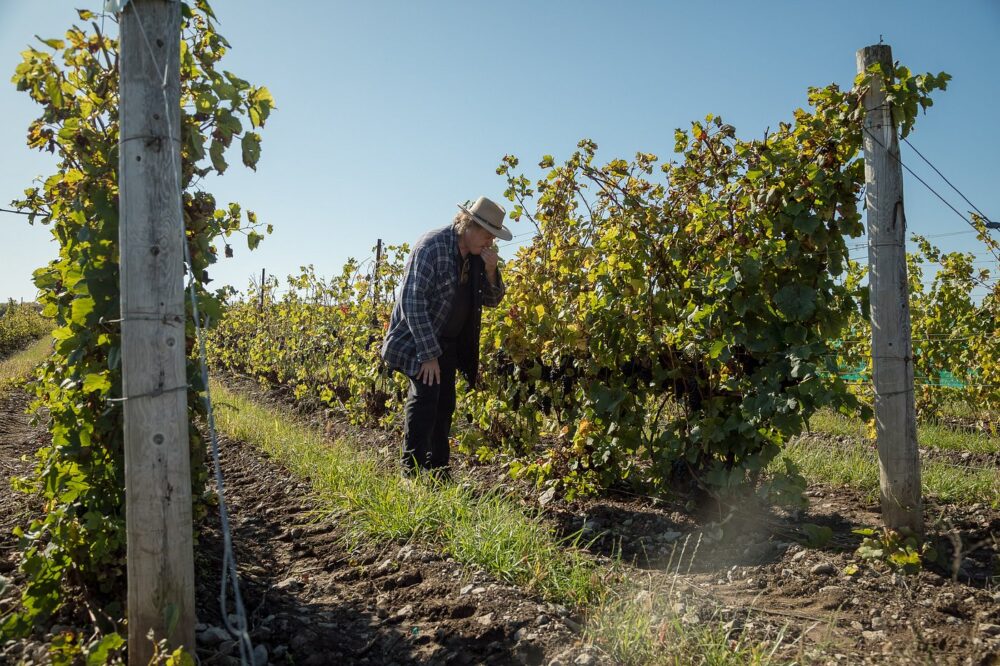
The reason is simple: much of the County sits on shallow soils over limestone bedrock. These soils force vines to work harder, producing grapes with concentrated flavors and a distinctive mineral character that frequently shows up in the finished wine.
This is one reason Prince Edward County is often compared to Burgundy, France, which is also famous for limestone-based vineyards.
The Common Thread in County Wines
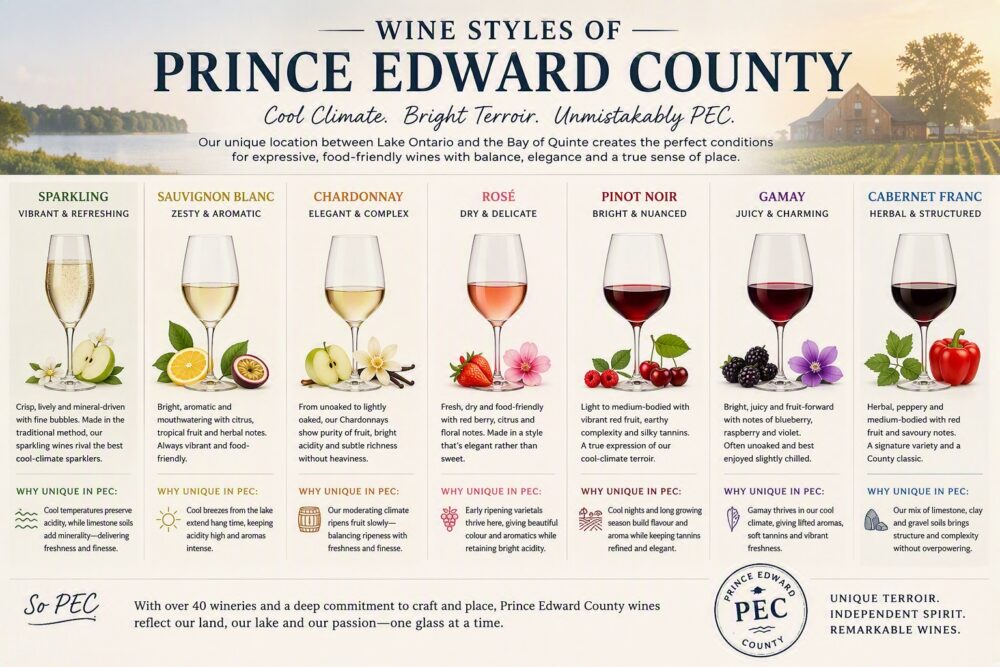
No matter what grape variety you’re drinking, most Prince Edward County wines share a few recognizable traits:
- Bright, refreshing acidity
- Crisp fruit flavors
- Moderate alcohol levels
- Mineral or stony characteristics
- Excellent food-pairing potential
- Elegant rather than overpowering flavors
Unlike some warm-climate wines that can feel big, bold, and fruit-heavy, County wines tend to focus on balance and freshness.
Chardonnay: The White Wine Star
If Prince Edward County had a celebrity wine, Chardonnay would probably be walking the red carpet.
County Chardonnay is known for flavors of:
- Green apple
- Lemon
- Pear
- Citrus zest
- Wet stone or chalk
What surprises many visitors is what these wines don’t taste like. Many people expect Chardonnay to be buttery and heavily oaked. In Prince Edward County, Chardonnay often leans toward freshness, minerality, and precision instead.
What to Expect
Expect a wine that feels crisp and vibrant rather than heavy. It’s the kind of wine that makes you immediately start thinking about fresh fish, local cheeses, and summer evenings on a patio.
Pinot Noir: The County’s Red-Wine Calling Card
Pinot Noir and Prince Edward County are a natural match.
The cool growing season allows Pinot Noir to develop slowly, preserving acidity while creating complex flavors. Typical County Pinot Noir often displays:
- Cherry
- Cranberry
- Raspberry
- Earthy notes
- Dried herbs
The result is a lighter-bodied red that focuses on elegance and complexity rather than sheer power.
What to Expect
If you’re used to rich, jammy reds, County Pinot Noir may surprise you. It’s more about finesse than muscle. Think ballet dancer, not heavyweight boxer.
Sparkling Wine: The County’s Hidden Superstar
Ask many wine industry insiders what Prince Edward County does exceptionally well, and sparkling wine is likely to come up.
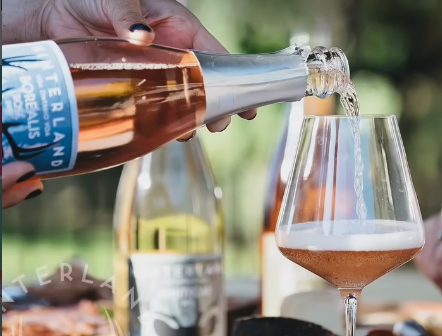
The county’s naturally high acidity produces ideal grapes for traditional-method sparkling wine, the same technique used to make Champagne.
Common flavors include:
- Green apple
- Citrus
- Toast
- Brioche
- Mineral notes
What to Expect
Expect fine bubbles, vibrant freshness, and a surprising level of sophistication. These wines often overdeliver for their price point and deserve far more recognition than they receive.
Riesling: An Underrated Gem
While Chardonnay and Pinot Noir often get most of the attention, Riesling quietly thrives here.
County Rieslings frequently show:
- Lime
- Green apple
- Peach
- Floral aromas
- Mouthwatering acidity
The cool climate helps preserve aromatic complexity while keeping the wines fresh and lively.
What to Expect
Don’t expect sugary sweetness. Many County Rieslings are incredibly refreshing and pair beautifully with seafood and spicy dishes.
Gamay: The Fun One
Every region needs a wine that doesn’t take itself too seriously.
In Prince Edward County, that role often belongs to Gamay.
These wines typically feature:
- Bright cherry flavors
- Red berries
- Floral notes
- Soft tannins
What to Expect
Fun, approachable wines that remind you wine doesn’t always need a special occasion. Sometimes all you need is a sunny afternoon and a comfortable chair.
Why Wine Lovers Keep Coming Back
After countless tastings, winery visits, and conversations with local winemakers, I’ve reached a simple conclusion:
People fall in love with Prince Edward County wines because they taste authentic.
The County isn’t trying to imitate Napa Valley, Australia, or even Niagara. Instead, it embraces what its unique environment naturally produces: wines that are fresh, balanced, mineral-driven, and unmistakably local.
The combination of limestone soils, cool temperatures, and lake influences creates wines with a personality that simply can’t be replicated elsewhere.
Final Sip
When someone talks about the “signature Prince Edward County wine styles,” they’re referring to wines that showcase the region’s cool-climate character: mineral-driven Chardonnay, elegant Pinot Noir, traditional-method sparkling wine, vibrant Riesling, and fresh, fruit-forward Gamay.
What can you expect?
Bright acidity, impressive food-friendliness, and a distinct sense of place in every glass. In other words, wines that are a lot like Prince Edward County itself: laid-back, authentic, and a little more interesting than first impressions might suggest.